Why a varied musical diet is the best gift we can give to little ones
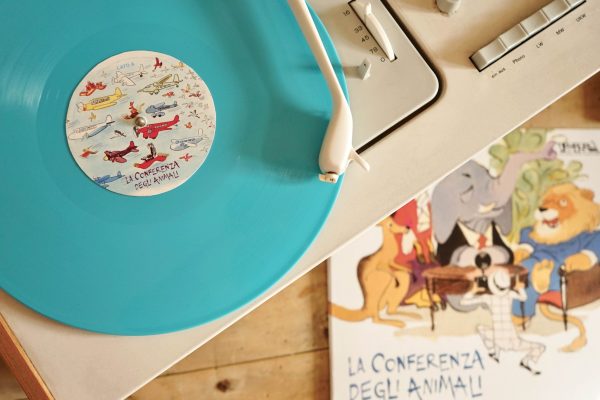
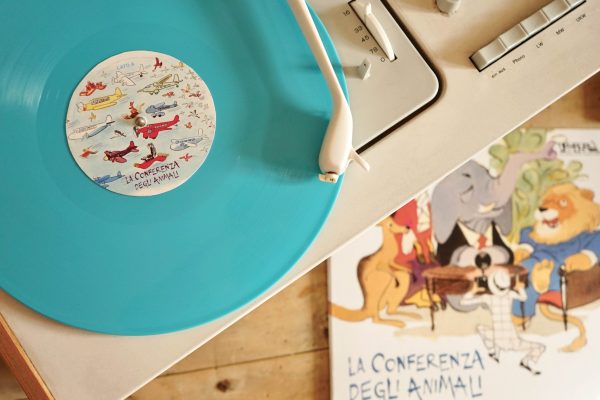
December is the month of shared music. It’s the month of Christmas carols, of records that come out on the turntable year after year, of playlists playing while the tree is being decorated. It’s the month when our homes fill with familiar sounds — and children, more than anyone else, absorb them completely.
But in this festive atmosphere, a question arises that many parents ask themselves:
Should children listen only to “kids’ music”? Or can they benefit from a much wider variety of genres as well?
“Music for children” — yes, but not only that
Research shows that listening to music in early childhood brings cognitive, emotional, and linguistic benefits, regardless of the genre, as long as there is enjoyment, engagement, and sharing.
A study published in Scientific Reports found that children who regularly participate in musical activities develop better language and auditory skills than those who do not. And the interesting detail is this: the musical activities studied were diverse, not limited to a single style.
There’s a very simple reason for this:
a child’s brain is a musical sponge.
The more varied the sounds they hear, the richer the sensory, emotional, and cognitive map they build every day.
The Mozart Effect… and its unexpected twist
Pop culture has long promoted the idea that classical music — especially Mozart — makes children smarter. This idea comes from a famous 1993 study, in which university students (not children) performed better on spatial tests after listening for ten minutes to Mozart’s Sonata K448.
The study made headlines worldwide.
CDs “to make your child smarter” flooded homes.
Mozart became a kind of sonic superfood.
But the study’s author, Frances Rauscher, later clarified something crucial:
“The key is that you have to enjoy the music. If you hate Mozart, you won’t experience the ‘Mozart effect.’ If you love Pearl Jam, you’ll experience the ‘Pearl Jam effect.’”
The message is powerful: it’s not the genre, it’s the joy of listening.
In conclusion: don’t limit children’s sonic world
There is no single “right music.” There is music that children enjoy, music that moves them, music that stimulates them, music that brings people together.
A good “musical diet” is like a good Christmas: rich, varied, and shared.
And if there is a perfect gift to accompany children on this sonic journey — an object that allows them to explore, choose, and listen independently and safely — it is Ocarina Player: an instrument designed to help children grow through listening. To whatever you prefer, of course!